Tanjun Mold Inspections logo

Your Test Only Inspector

Mold Inspections & Testing

Certified. Test Only. Your Unbiased Testing and Inspections in Los Angeles & Ventura. Call To Schedule.


Call (818) 964-1533
5.0
Why We Combine Testing Methods
Your Friendly Test Only Inspector - Tanjun Mold Inspections

Suspect Mold?
Have Musty Odors or Symptoms?

Speak with our Certified, Test-Only Inspector.

Call Your Test-Only Inspector 818-964-1533

Calm Investigations. Peace of Mind.

Our Services

Moisture Testing

Mold needs Moisture. Follow the Moisture and often — it will point you to both the root cause as well as the solution.

We use specialized, Dual Mode Meters to check the Moisture Content (MC) levels in various building materials in order to identify potential moisture intrusion problems.

Friendly Explanations. Evidence Based Investigations

Professional Mold Inspections

1

Mold Inspections & Testing
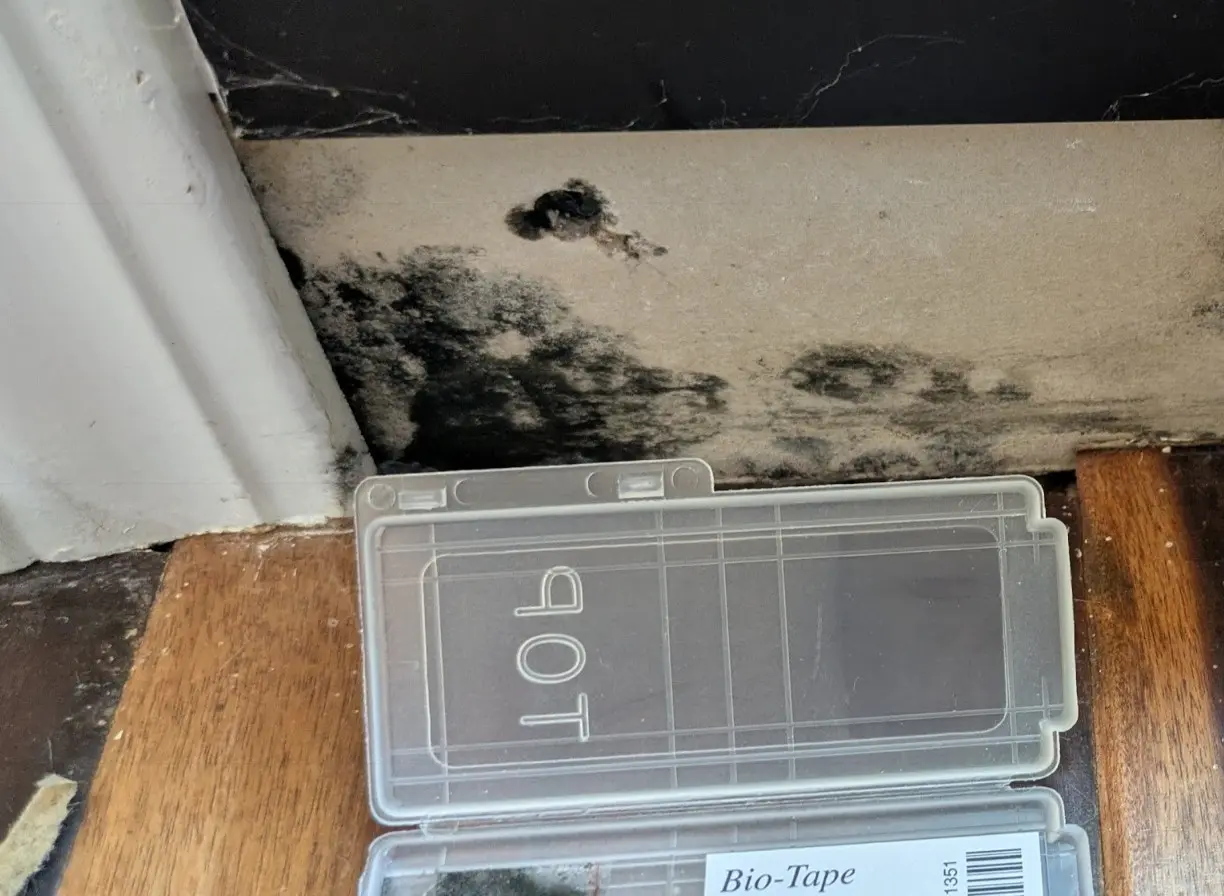
Tanjun Mold Inspections performing visual inspection.

We look for signs of water damage and areas at risk for mold growth — including discoloration, stains, warping, gaps, or other deficiencies.

Mold Risk Situations:

  • Plumbing Leaks in Kitchens, Bathrooms & Laundry Rooms
  • Roof & Rain Damage
  • Inadequate Ventilation and High Indoor RH (Relative Humidity)
  • Inadequate Drainage or Waterproofing
  • Moisture Intrusion by Windows or Doors
  • Previous Water Damage History
2

Moisture Content Testing

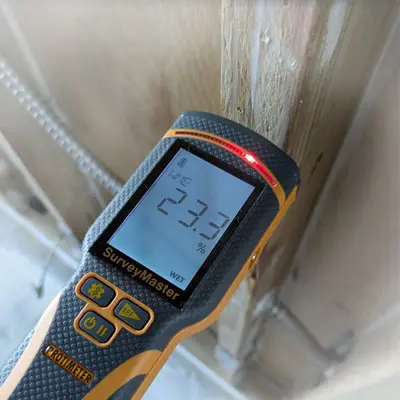
Tanjun Mold Inspections performing Moisture Content (MC) testing.

Our goal is not just to detect whether or not there is mold — where possible, the goal is to identify the root cause of mold growth.

Follow The Moisture:

  • Moisture sources will often direct us to both the problem as well as the solution.
  • We use Dual Mode Moisture Meters to check the Moisture Content (MC) levels in various building materials such as drywall.
  • Post Remediation Clearance Testing (PRV): MC (Moisture Content) testing is key to ensuring dry standards are met.
3

Indoor Air Quality Testing

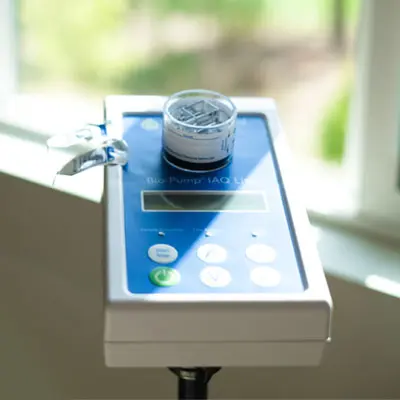
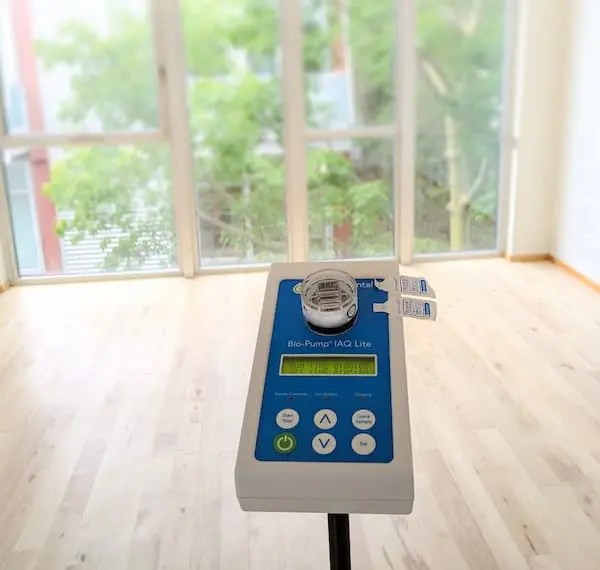
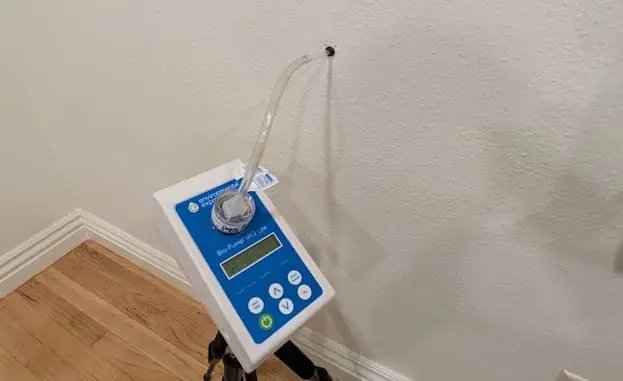
Tanjun Mold Inspections performing Indoor Air Quality (IAQ) air sampling for mold.

Air sampling may be recommended in order to assess the levels and types of mold spores indoors.

Air Spore Trap Analysis:

  • Detected Mold Types: May detect certain mold types such as Stachybotrys (Black Mold), Chaetomium, or Ulocladium that may point to a water damage situation.
  • Outdoor Baseline vs Indoor Sample Analysis: We check for elevated levels of mold spores indoors.
  • Specialized AIHA Accredited Lab: Results & Analysis included in the Findings & Recommendations report.
Making The Technical Simple, Yet Meaningful.

Why Choose Tanjun?

Test-Only

Since we do not perform mold removal or remediations, we avoid conflicts of interests. This allows us to focus on an objective, evidence based report and unbiased recommendations.

Inspection for Happy Tanjun Mold Inspection Customers
  • Friendly, Plain-Language Explanations

    "That Makes Sense!"

    From your first call with us, we take time to explain and break down how the inspection or lab testing process works. Next, we explain the inspection findings and technical report details — in a clear way that is understandable to customers who are not lab technicians.

  • Detailed Reports and Lab Analysis

    Thorough

    Our findings and recommendations report can help you discern if you have active moisture issues, as well as help you understand the fungal ecology and air quality in your home. If mold growth is observed — a comprehensive Remediation Protocol outlines the required corrective actions.

  • Peace of Mind

    Move Forward with Confidence

    Knowing the true condition of your home contributes to your peace of mind. If a mold problem is discovered — knowing the details of the remediation protocol helps you make informed choices. On the other hand — seeing a clean lab result for a post-remediation clearance inspection helps you move forward with confidence.

Leaks or Rain Damage?

Did You Know? — Some molds can grow within 24 to 72 hours after initial water damage.

Customers often call after water damage to assess mold growth risk. Learn More About How Mold Grows:

Mold Research
Musty Odors or Symptoms?

Some customers have not yet discovered mold — yet they report strange odors or symptoms.

Contact Us to Assess Your Home:

818-964-1533
Need Clearance After Remediation?

Did You Know? — A successful clearance requires passing a (1) Visual Inspection, (2) Moisture Testing, and (3) Air Testing.

Learn More About Clearance Testing (Post Remediation Verifications):

Clearance Testing

Contact Us To Answer Your Questions

Mold Is Stressful

Our Goal: Provide a balanced approach — focusing on the inspection process and testing data — so that you can make informed decisions.

Call (818) 964-1533
The 3 Vital Methods To Assess Fungal Ecology

Why We Often Combine 3 Methods

Since each inspection method has limitations, relying on just one may miss important details.
Each method answers different mold and water damage questions — Combining all three contributes to a more thorough investigation — both before and after mold remediation.

Method 01

Visual Inspection

Purpose

Checks for visible mold growth, signs of water damage (like stains or bubbling), condensation, and moisture intrusion (such as by windows, sinks, and ceilings)

Limitations

Eyes cannot detect microscopic spores in your air — nor can it see inside walls or under floors. A room can look clean — but have elevated mold spore counts in the air. Surfaces can look dry — but retain high moisture.

See How We Solve This

Combine with Moisture Testing — to detect moisture behind walls or flooring and utilize Air Sampling — to measure invisible airborne spore levels in the breathing zone. Wall Cavity air sampling may be useful if hidden mold growth is suspected behind the walls.

Method 02

Moisture Testing

Purpose

Uses moisture meters to check for high moisture content (MC) such as in walls or flooring. Since mold needs moisture, checking for moisture is key.

Limitations

Moisture meters cannot detect (1) elevated mold spore counts in the air (2) remaining mold from past water damage or (3) if the moisture is trapped deeper into the wall cavity or building materials — even if there is mold growth.

See How We Solve This

Combine with a Visual Inspection — to check if there is visible mold on various building materials. If mold colonization inside walls or flooring causes spores to travel into the ambient air, Air Sampling may be able to detect it. Wall cavity air sampling may be able to detect mold growth behind the walls.

Method 03

Air Sampling

Purpose

Detects (1) mold types and (2) spore counts in the air — helpful for assessing fungal ecology for pre-remediation and essential for post-remediation clearance testing.

Limitations

Although elevated mold spores typically are found close to the growth source, air samples cannot identify the source of the leak. Mold spores may stay inside walls or flooring. Also, heavier and stickier spores may not become easily airborne.

See How We Solve This

Combine with Visual Inspections & Moisture Testing to check for areas at risk for mold growth or to trace elevated spore counts back to the source of the moisture intrusion.

Industry Standard: IICRC S520 Fungal Ecology

Can Visual Checks and Moisture Meters Alone Verify a Condition 1 Status?

No. Since mold spores are not visible when airborne, lab testing is required to assess fungal ecology. Under professional IICRC S520 guidelines, a home's fungal condition falls into three Conditions that eyes and moisture meters alone cannot verify:

Clearance - Post-Remediation Verification (PRV) Passing Clearance means the environment has returned to a Condition 1 status. Practically, this requires performing air sampling inside the containment in order to check the mold types and spore counts detected.
Pre-Remediation Inspections During an inspection where water damage has been experienced, or where there is risk of mold growth, a visual inspection should be combined with moisture content testing and where appropriate, air or surface sampling should be performed to assess the fungal ecology.
● Condition 1 — Normal Fungal Ecology An indoor environment that reflects a normal fungal ecology.
● Condition 2 — Settled Spores An indoor environment that is contaminated with some settled spores.
● Condition 3 — Actual Growth An indoor environment that is contaminated with actual mold growth and associated spores.
FAQ

Mold Frequently Asked Questions

Our Credentials


MICRO Certified Mold Inspector CMI # 86294

InterNACHI (International Association of Certified Home Inspectors) Certified Mold Inspector

Member # NACHI25081826  |  Certificate # 1755634505

IAC2 Certified, IAC2 Mold Certified (International Association of Certified Indoor Air Consultants)

Certification ID: IAC2-95070

Friendly Communications. Lab Backed Data.

Our Process

Tanjun Mold Inspections performing- Professional Performing Visual Inspections

Visual Inspections

We start with performing a visual inspection of the property, focusing on areas where there may be water damage, moisture issues or suspected mold growth.

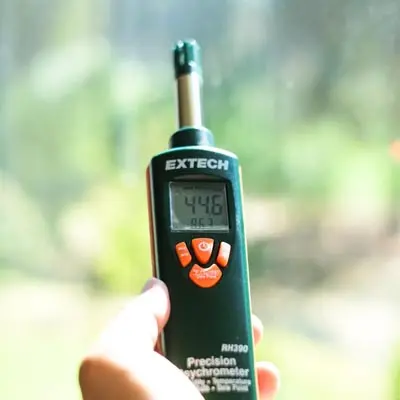
Tanjun Mold Inspections - Advanced Tools for Taking Environmental Measurements

Environment Readings

With the help of specialized tools we may take environmental readings such as Moisture Content (MC) or humidity levels in order to identify any potential issues.

Tanjun Mold Inspections - Lab Analysis for Mold Samples

Lab Testing & Analysis

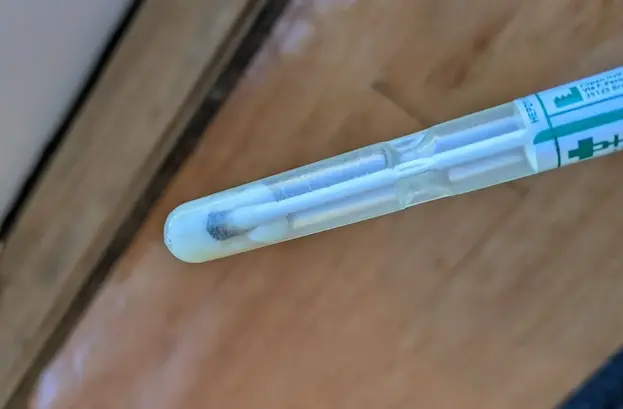
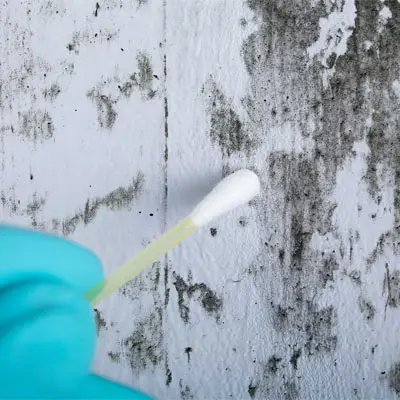
Surface and Air samples may be recommended depending on the inspection findings or customer concerns. Such samples are sent to an AIHA Accredited Lab that specializes in identifying and analyzing mold.

Tanjun Mold Inspections Providing a Comprehensive Findings and Recommendations Report

Findings & Recommendations

Once all of the data is collected, we provide a report of our findings. If a mold growth problem is identified, a Remediation Protocol is outlined.

CONTACT US

Our Process - Advanced Tools for Taking Environmental Measurements

Book Your Test Only Inspection

Let Us Know Your Situation!

PHONE Call (818) 964-1533

EMAIL tanjunmold@gmail.com

SERVICE AREAS

Los Angeles County, CA

Ventura County, CA


TEST ONLY Test-Only Advantage

Contact Information

Property Address

Services Requested